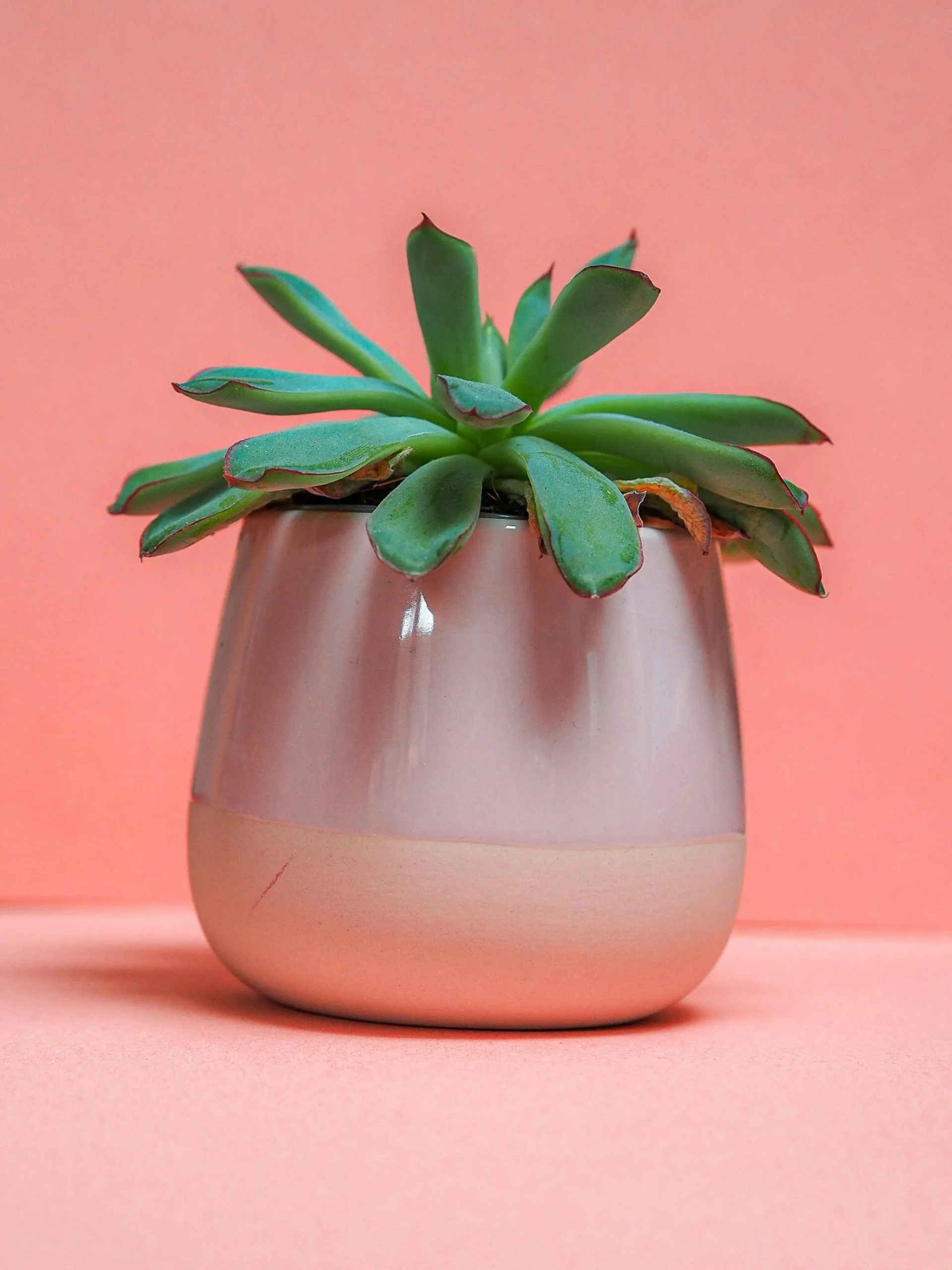
If you have recently started your journey into indoor gardening, you know the excitement of bringing home a new leafy friend. You likely spent time picking out the perfect spot in your home and, of course, the most beautiful container to house it. For many, the first choice is a ceramic glazed planter pot because of its vibrant colors, glossy finish, and sturdy feel.
However, after a few weeks, you might notice something is wrong. The leaves are turning yellow, the soil feels like a swamp, or your plant simply looks “tired.” Before you blame your “black thumb,” it is time to look at the container. While a ceramic glazed planter pot is a stunning addition to any room, it functions very differently than a plain plastic or terracotta pot. Understanding these differences is the secret to keeping your plants alive and thriving.
Understanding the “Glaze” in Your Planter
To understand why your plant might be struggling, we first need to look at the science of the container. A ceramic glazed planter pot starts as raw clay. It is shaped, dried, and then coated with a liquid glass known as “glaze” before being fired in a high-temperature kiln.
This firing process creates a chemical bond that turns the glaze into a hard, non-porous shell. While this makes the pot waterproof and easy to clean, it also seals the “pores” of the clay. In a standard terracotta pot, air and water can move through the walls. In a ceramic glazed planter pot, the walls are a total barrier. This means the environment inside the pot is much more controlled—and sometimes much more dangerous—for a beginner who isn’t aware of how moisture behaves in a sealed environment.
The Three Main Reasons Your Plant is Struggling
If your plant is drooping, the issue usually boils down to three technical factors related to the physical properties of your ceramic glazed planter pot.
1. Excessive Moisture Retention
The biggest mistake beginners make is overwatering. In a plastic or wooden container, excess moisture has a few ways to escape. In a ceramic glazed planter pot, the water is trapped. The glaze prevents evaporation through the sides, meaning the only way for the soil to dry out is through the top surface or the drainage hole (if it has one). If you water a plant in this type of pot as often as you would a plant in terracotta, you are likely drowning the roots.
2. Lack of Soil Oxygenation
Roots need to breathe. In nature, soil is loose and allows air to circulate. When you use a ceramic glazed planter pot, the lack of wall porosity means oxygen can only enter from the very top of the soil. If the soil becomes compacted or stays too wet, it creates an anaerobic (oxygen-free) environment. This leads to the growth of harmful bacteria and fungi that eventually kill the plant from the bottom up.
3. The “No-Drainage” Trap
Many decorative options sold in big-box stores are technically “cachepots”—beautiful outer shells meant to hold a smaller plastic pot. If you have planted your green friend directly into a ceramic glazed planter pot that lacks a hole at the bottom, the water has nowhere to go. It pools at the base, creating a “death zone” where roots rot within days.
[Image showing a plant with root rot symptoms: yellowing leaves and mushy brown roots]
Signs That Your Pot is the Culprit
How do you know for sure if the container is the issue? Watch for these specific “beginner-friendly” red flags:
- The Soil Smell: If you put your nose near the soil and it smells like a damp basement or rotting vegetables, you have a drainage issue.
- Yellow Lower Leaves: If the leaves at the bottom of the plant turn bright yellow and fall off, it’s often a sign of “soggy feet.”
- The Weight Test: Pick up your ceramic glazed planter pot. If it feels extremely heavy days after watering, the core of the soil is likely still saturated even if the top looks dry.
- Fungus Gnats: These tiny black flies love wet soil. If they are swarming your plant, your pot is holding too much water.
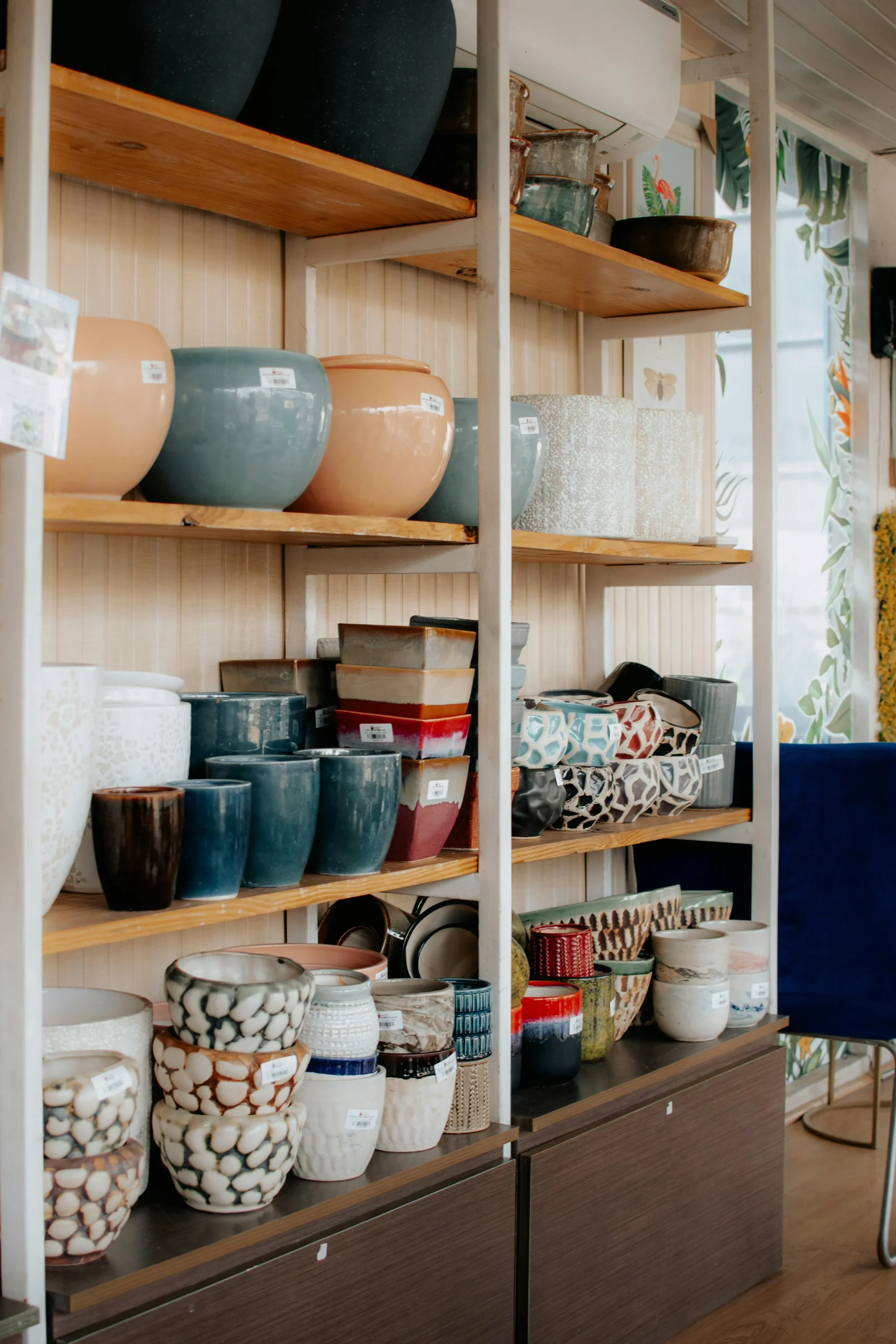
Choosing the Right Plants for Glazed Ceramic
Not every plant hates a moist environment! In fact, some species thrive in a ceramic glazed planter pot because they prefer “consistently moist” soil. If you love the look of these shiny pots, try pairing them with these plants:
- Peace Lilies: These “drama queens” wilt the second they get dry. A glazed pot helps keep them hydrated longer.
- Boston Ferns: Ferns love humidity and damp soil, making them a perfect match for a non-porous container.
- Spider Plants: These are hardy and can handle the moisture levels of a ceramic glazed planter pot quite well.
- Pothos: While they like to dry out a bit, Pothos are incredibly adaptable to various pot types.
Conversely, avoid putting Cacti or Succulents directly into a ceramic glazed planter pot unless you are an expert at watering, as these desert plants require the fast-drying action of terracotta.
The “Nursery Pot” Hack: The Ultimate Beginner Secret
You don’t have to give up your aesthetic dreams. The best way to use a ceramic glazed planter pot as a beginner is to use it as a “decorative sleeve.”
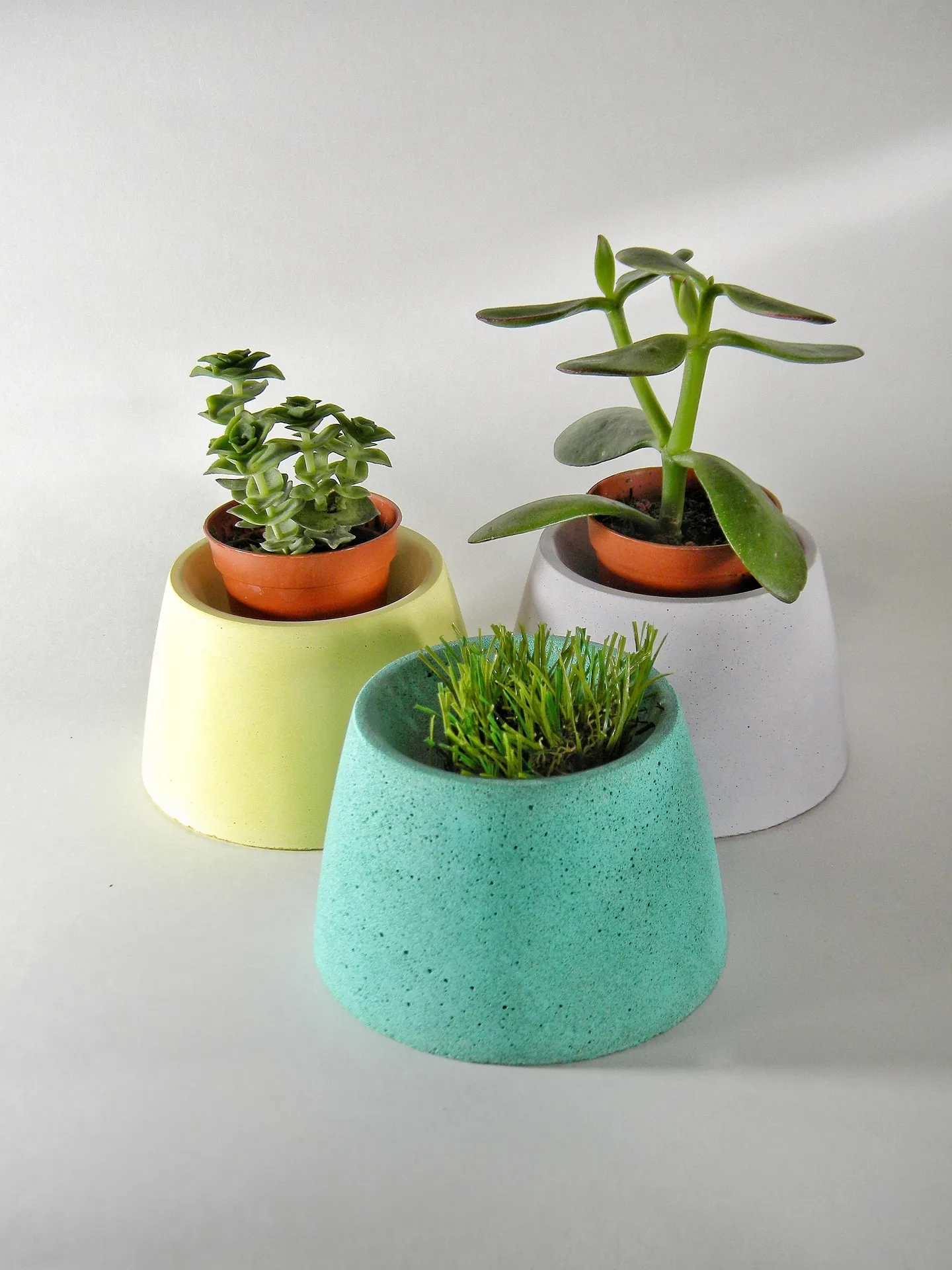
Instead of pouring soil directly into the ceramic, keep your plant in the ugly plastic “nursery pot” it came in. Place that plastic pot inside the ceramic glazed planter pot. When it’s time to water, take the plastic pot to the sink, let the water drain out completely, and then pop it back into the beautiful ceramic container. This gives you the best of both worlds: perfect drainage and a gorgeous home decor piece.
[Image demonstrating the “cachepot” method: a plastic nursery pot being lifted out of a decorative ceramic glazed pot]
How to Successfully Plant Directly into Ceramic
If you absolutely must plant directly into your ceramic glazed planter pot, follow these three rules to prevent plant death:
- Ensure There is a Drainage Hole: If your pot doesn’t have one, you can actually drill one using a diamond-tipped drill bit (though this requires care!). Never plant directly into a hole-less pot.
- Use High-Quality Potting Mix: Avoid “garden soil.” Use a mix with extra perlite or pumice. These white “rocks” create air pockets, which are essential when using a ceramic glazed planter pot that doesn’t breathe through the sides.
- The One-Inch Rule: Never water your plant until the top inch (or even two inches) of soil is bone dry. Invest in a moisture meter; it’s a beginner’s best friend when dealing with glazed containers.
Maintenance and Cleaning
One benefit of a ceramic glazed planter pot is that it is much easier to maintain than other materials. Unlike terracotta, which develops white salt crusts (efflorescence), a glazed surface can be wiped down with a damp cloth. This keeps your indoor garden looking professional and clean. Furthermore, a ceramic glazed planter pot is less likely to harbor pests or diseases from previous plants because the surface is so smooth and easy to disinfect with a mild soap solution.
Temperature Control for Your Roots
Another aspect beginners often overlook is temperature. A ceramic glazed planter pot acts as an insulator. This is great during the winter as it protects sensitive roots from cold drafts. However, in the summer, if a dark-colored ceramic glazed planter pot sits in direct sunlight, it can act like a slow cooker, overheating the roots. Always be mindful of where you place your glazed pots in relation to your windows.
Frequently Asked Questions (FAQ)
Where can I find large outdoor ceramic glazed pots?
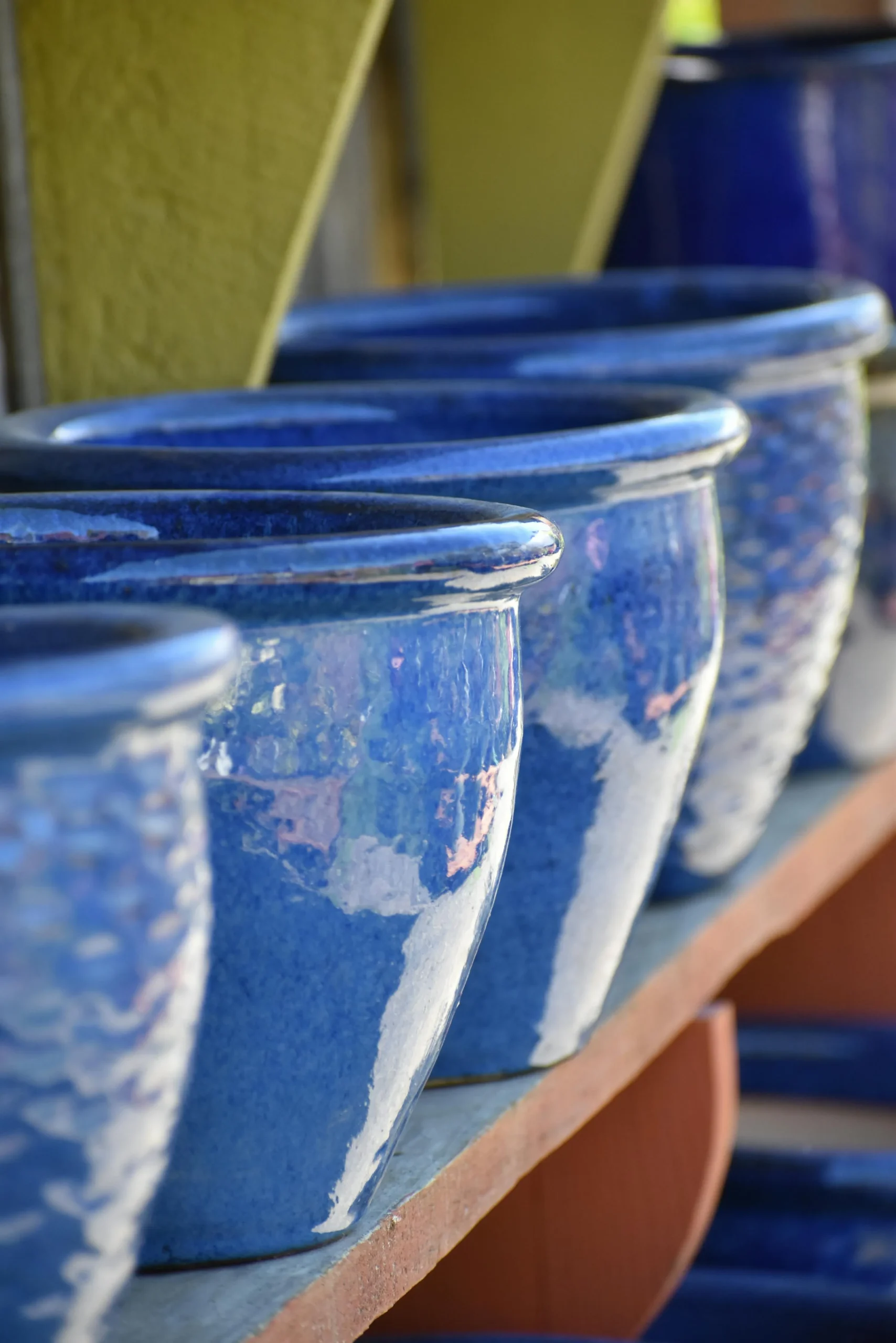
Finding the perfect ceramic glazed planter pot in a large size often requires looking beyond the standard grocery store garden aisle. For the best selection:
- Local Garden Centers: Independent nurseries often carry high-quality, frost-resistant glazed pots that are built to withstand outdoor elements.
- Home Improvement Stores: Retailers like Home Depot or Lowe’s have seasonal sections dedicated to large-scale pottery.
- Specialty Online Retailers: Websites like Wayfair or Etsy offer unique, handcrafted designs, though you should be mindful of shipping costs due to the weight.
- Estate Sales & Antique Shops: If you are looking for a ceramic glazed planter pot with character and a “vintage” patina, these are gold mines for heavy-duty outdoor containers.
What are the advantages of glazed ceramic planters?
Aside from their undeniable beauty, a ceramic glazed planter pot offers several functional benefits:
- Durability: They are heavy and sturdy, making them less likely to tip over in high winds—ideal for top-heavy plants or outdoor patios.
- Moisture Retention: Since the glaze seals the clay, these pots don’t dry out as fast as terracotta. This is a huge advantage for water-loving plants or for gardeners who live in dry climates.
- Insulation: The thick walls of a ceramic glazed planter pot help protect sensitive root systems from rapid temperature fluctuations during the changing seasons.
- Style Versatility: Because glaze is essentially liquid glass, it can be made in any color or pattern, allowing you to match your pots perfectly to your home decor.
How to clean and maintain a ceramic glazed planter pot?
One of the best things about a ceramic glazed planter pot is how low-maintenance it is. To keep yours looking brand new:
- Surface Cleaning: For dust and water spots, simply wipe the exterior with a damp microfiber cloth. For stubborn dirt, use a mixture of mild dish soap and warm water.
- Deep Cleaning: If you are moving a new plant into an old pot, soak the ceramic glazed planter pot in a solution of one part bleach to nine parts water for 10 minutes. This kills any lingering bacteria or fungi.
- Winter Care: If you live in an area with freezing temperatures, bring your outdoor glazed pots inside or under a porch. While the glaze is tough, water trapped in the clay can freeze and expand, causing the glaze to “spall” or flake off.
- Removing Salt Buildup: If you see white crusty rings near the rim, use a soft-bristled brush and a vinegar-water solution to gently scrub them away without scratching the finish.
Summary Checklist for Beginners
To wrap up, here is your quick-start guide to using a ceramic glazed planter pot successfully:
- Check for a hole: Does it have drainage? If not, use the nursery pot hack.
- Choose the right soil: Add perlite to increase airflow.
- Match the plant: Pair moisture-loving plants with your glazed containers.
- Water with caution: Always check the soil depth before adding more water.
- Watch for signs: Monitor for yellow leaves or “swampy” smells.
Investing in a ceramic glazed planter pot is a wonderful way to elevate your home’s interior design. They are heavy, durable, and come in every color imaginable. By understanding that these pots are “water-tight” compared to other materials, you can adjust your care routine and ensure your plants live a long, healthy life.
Remember, the pot is rarely the problem—it’s usually the “communication” between the gardener and the pot. Once you learn how to water correctly for a ceramic glazed planter pot, you’ll be able to grow a lush, beautiful indoor jungle that looks as good as the containers it lives in.