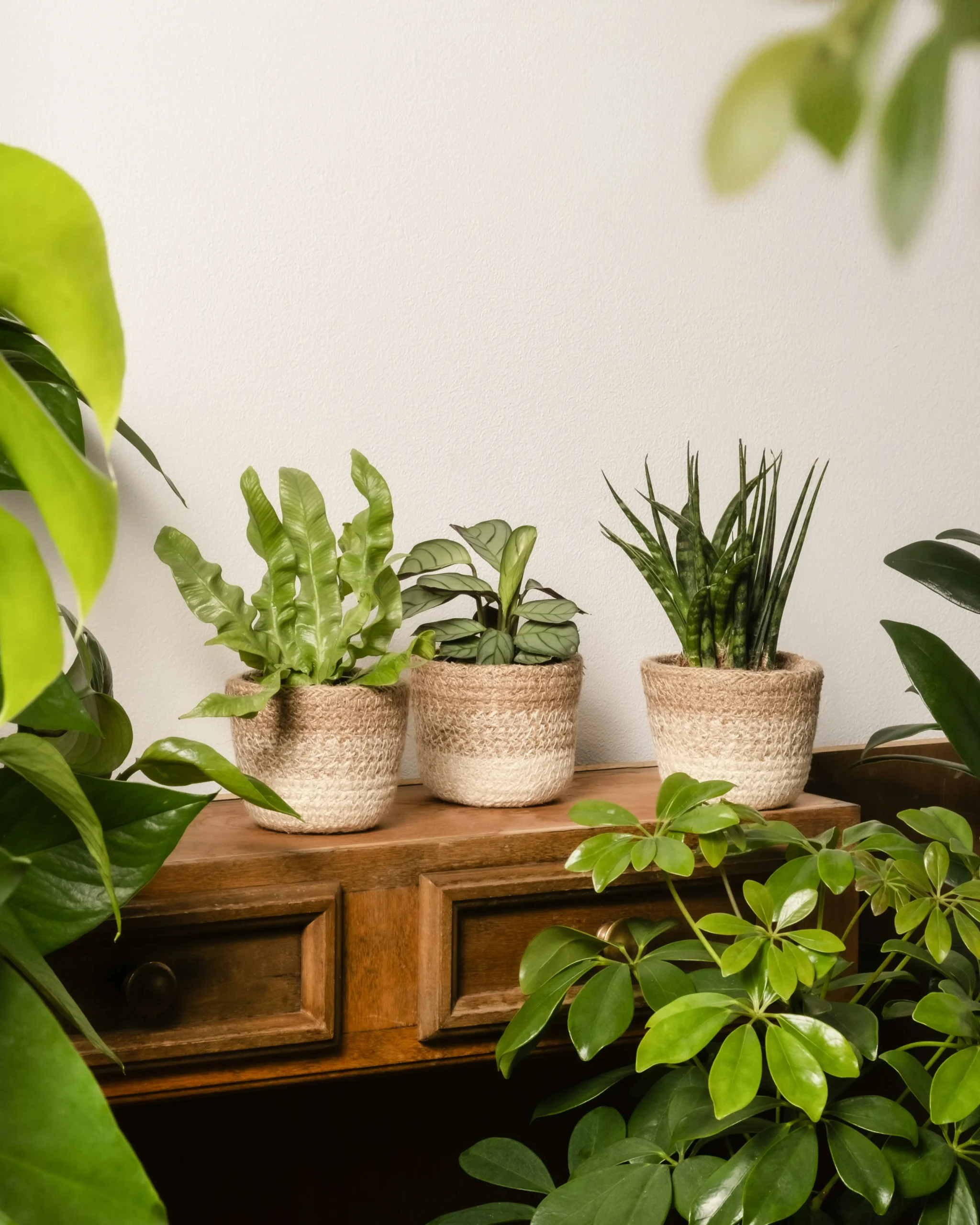
Indoor gardening is more than just a hobby; it’s a lifestyle choice that breathes character, color, and fresh air into your living space. If you are looking to elevate your greenery, choosing the right vessel is just as important as the plant itself. Among the various options available, ceramic plant pots indoor use stands out as the gold standard for both aesthetics and plant health.
In this guide, we will explore why ceramic is the preferred choice for interior stylists and how you can use these beautiful containers to transform your home into a sanctuary.
Why Choose Ceramic Plant Pots for Indoor Use?
When selecting containers for your “Good Life Spaces,” the material matters. Ceramics are crafted from clay and fired at high temperatures, resulting in a durable, timeless finish.
The Functional Benefits of Ceramic
Here is why ceramic plant pots indoor enthusiasts often choose them over plastic or metal alternatives:
- Breathability and Insulation: While many ceramic pots are glazed, the clay material naturally provides better insulation for soil than thin plastic. This helps protect sensitive root systems from rapid temperature fluctuations—a common issue in homes with central heating or air conditioning.
- Stability and Weight: Tired of your top-heavy Snake Plant or Monstera tipping over? The weight of ceramic plant pots indoor setups provides a sturdy base. This is especially crucial if you have pets or children who might accidentally bump into your plant stands.
- Longevity: Unlike plastic, which can become brittle and crack under UV exposure from sunny windows, ceramic remains structurally sound for decades.
- Aesthetic Versatility: From minimalist matte whites to intricate hand-painted Mediterranean patterns, ceramic offers a range of textures that plastic simply cannot replicate.
Choosing the Right Size and Shape for Your Space
Before you rush out to buy the prettiest pot you find, you must consider the needs of your plant. A common mistake in indoor styling is choosing a pot based solely on looks while ignoring the biological requirements of the greenery.
Essential Sizing Guidelines
When shopping for ceramic plant pots indoor dimensions, keep these rules in mind:
- The Two-Inch Rule: Always look for a pot roughly 2 inches wider than the current container. This allows the roots enough room to expand without “drowning” the plant in excess soil.
- Proportional Height: Ensure the pot is at least one-third the height of the plant to maintain visual balance and physical stability.
Depth Requirements for Common Plants
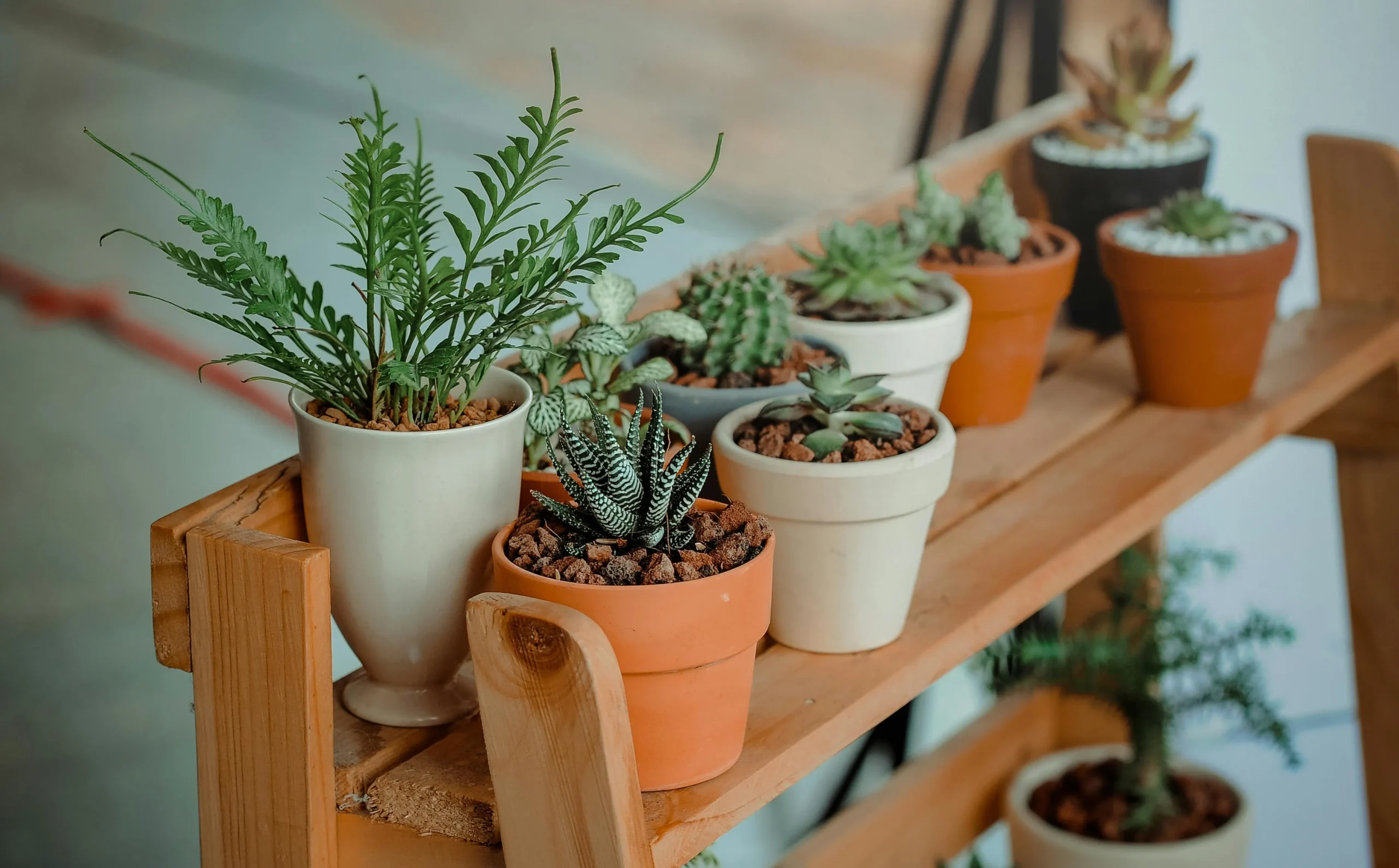
- Shallow Pots: Ideal for succulents, cacti, and Bonsai trees.
- Medium Pots: Perfect for Pothos, Spider Plants, and most tabletop greenery.
- Deep Pots: Necessary for plants with “taproots” or large root systems like Fiddle Leaf Figs or Bird of Paradise.
Elevating Your Decor: Indoor Styling Strategies
The “Good Life Spaces” philosophy is all about creating harmony. Your plants should feel like an integrated part of your furniture and architecture. Here are three ways to style your ceramic plant pots indoor arrangements:
1. The Minimalist Scandi Look
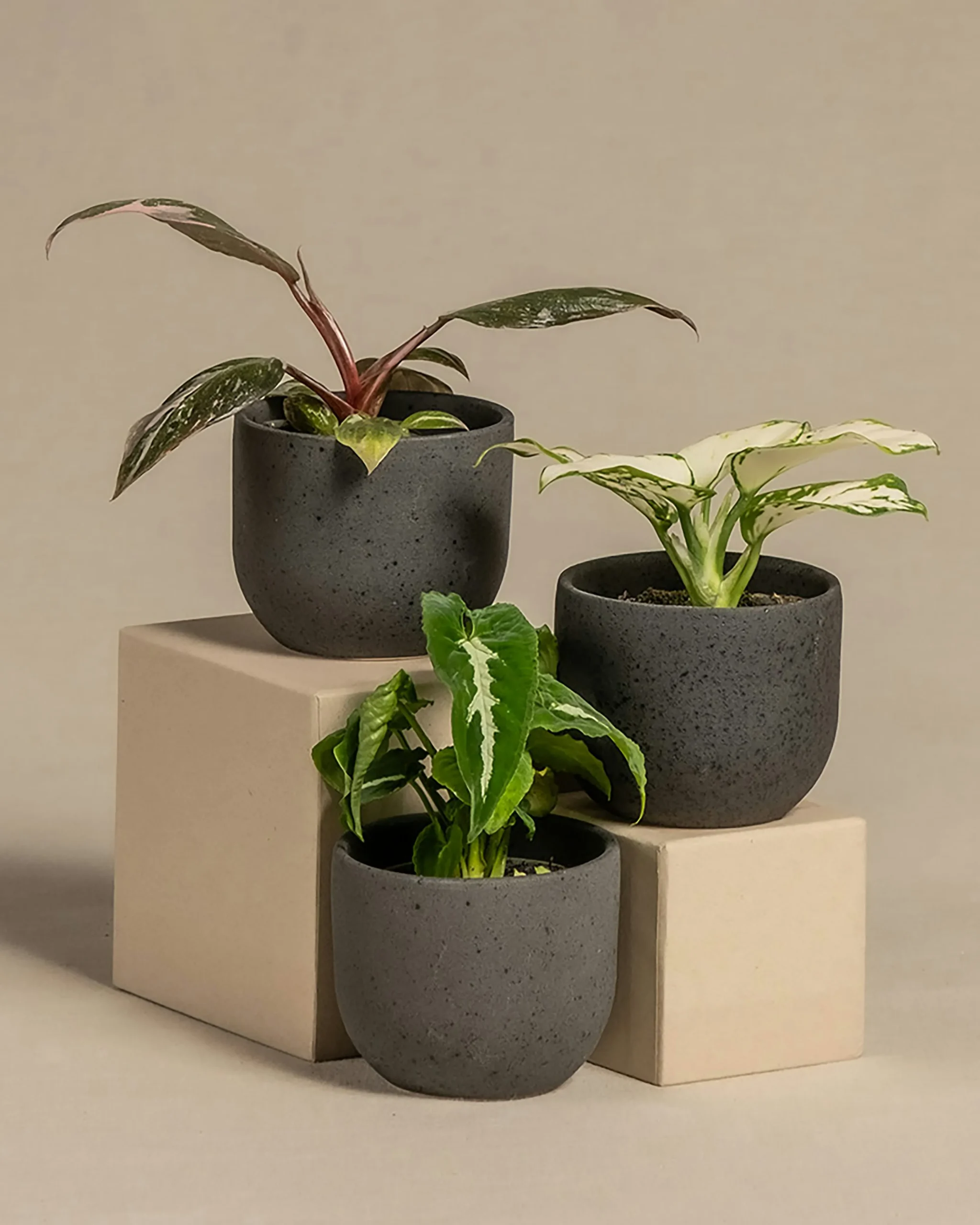
For a clean, modern vibe, choose ceramic pots in neutral tones—think oatmeal, charcoal, or soft cream.
- Shape: Look for “cylinder” or “u-shape” silhouettes.
- Finish: Opt for matte or “bisque” finishes.
- Pro-Tip: Placing these on wooden floor stands creates height and keeps your floor space looking uncluttered.
2. The “Jungalow” or Bohemian Style
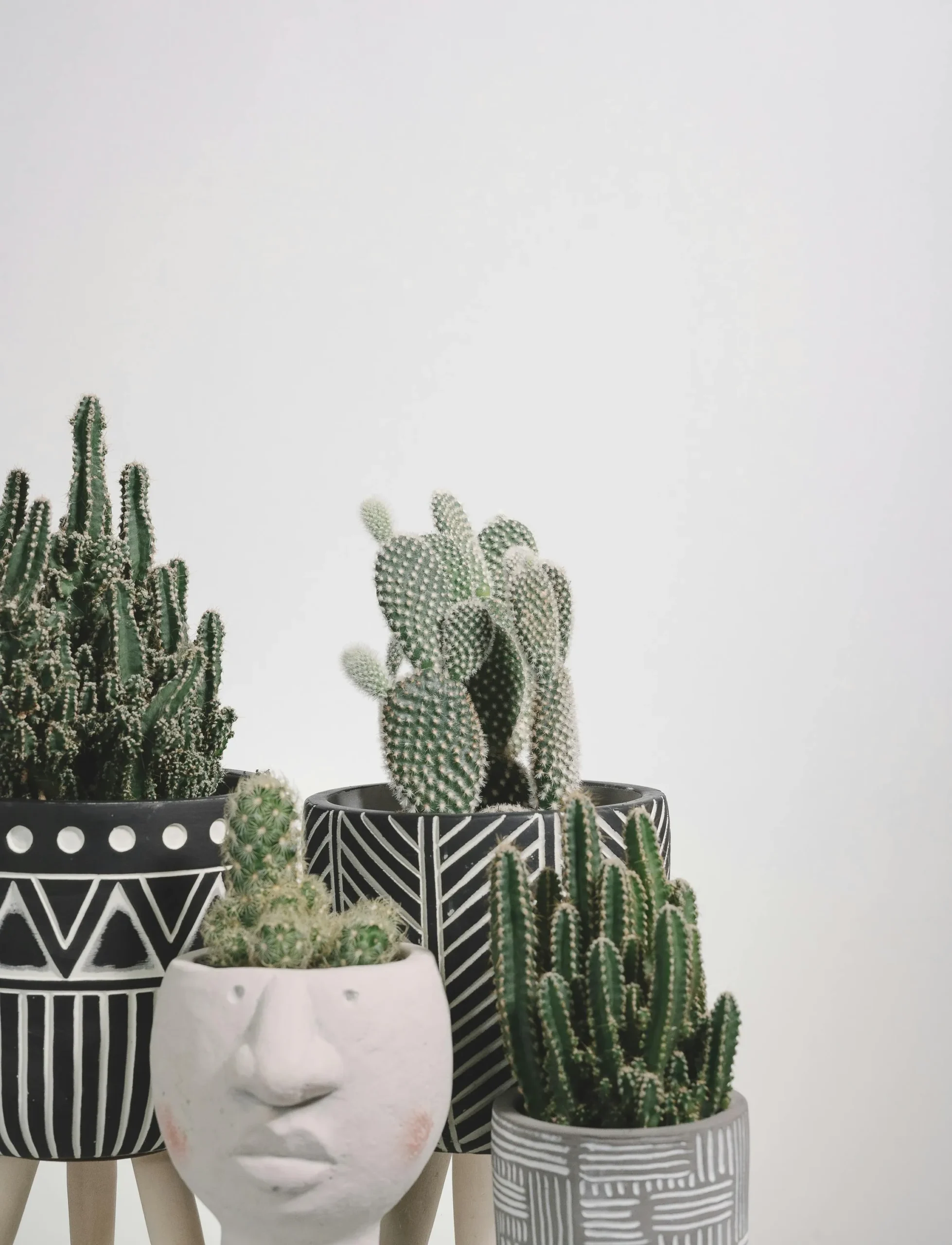
If you love a more maximalist approach, mix and match textures.
- Texture: Use ceramic plant pots indoor varieties that feature reactive glazes or raised “beaded” textures.
- Grouping: Grouping three pots of different heights in a corner creates an instant focal point.
- Color Palette: Don’t be afraid of terracotta oranges, deep teals, and mustard yellows.
3. The Sophisticated Traditionalist
Blue and white chinoiserie ceramic pots never go out of style. These look stunning on entry tables or mantelpieces.
- Pairing: Pair them with structured plants like Orchids or Boxwood.
- Placement: Use these as “statement pieces” on pedestals or centered on a dining table.
Understanding Drainage: The Secret to Long-Lived Plants
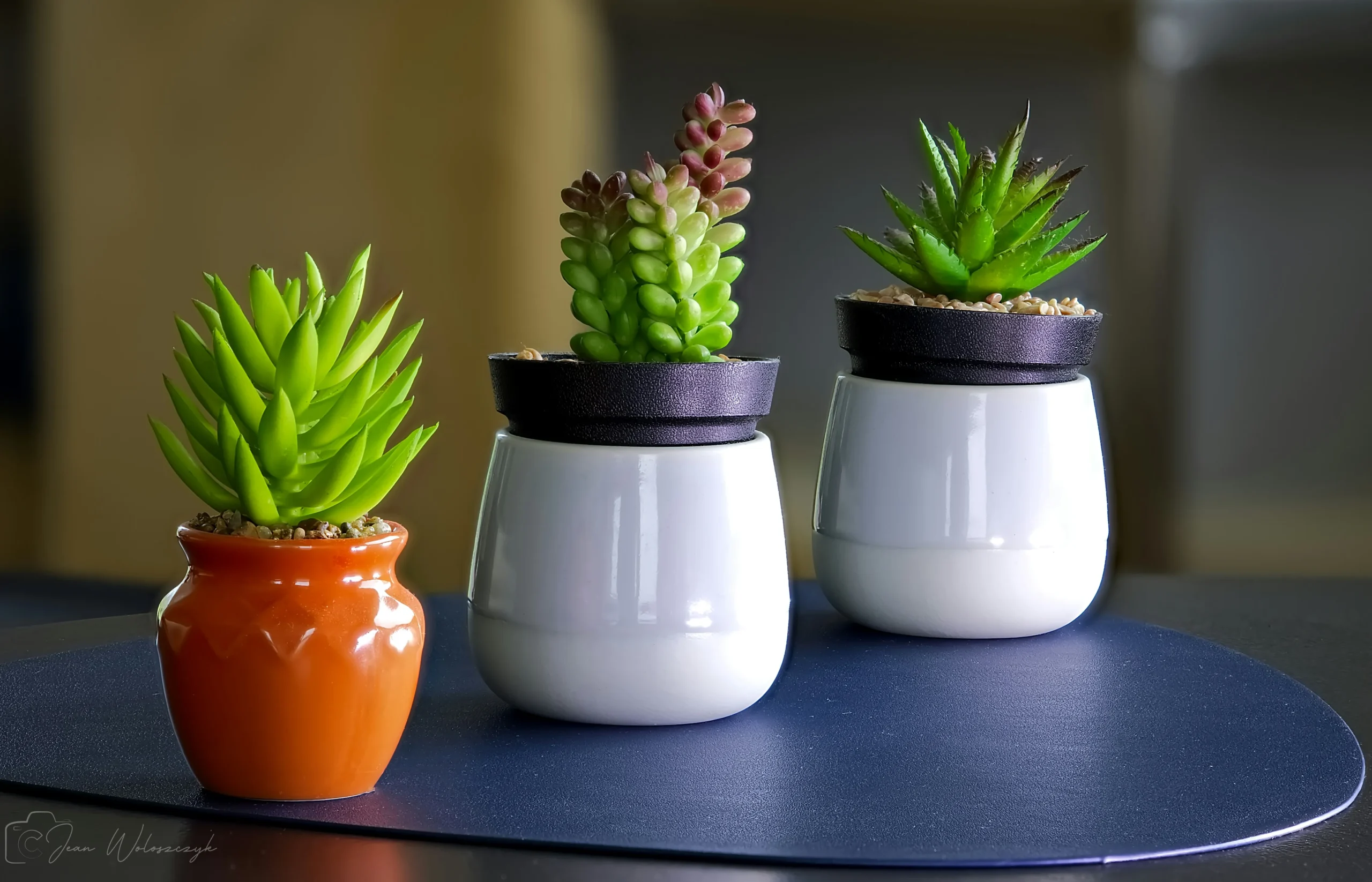
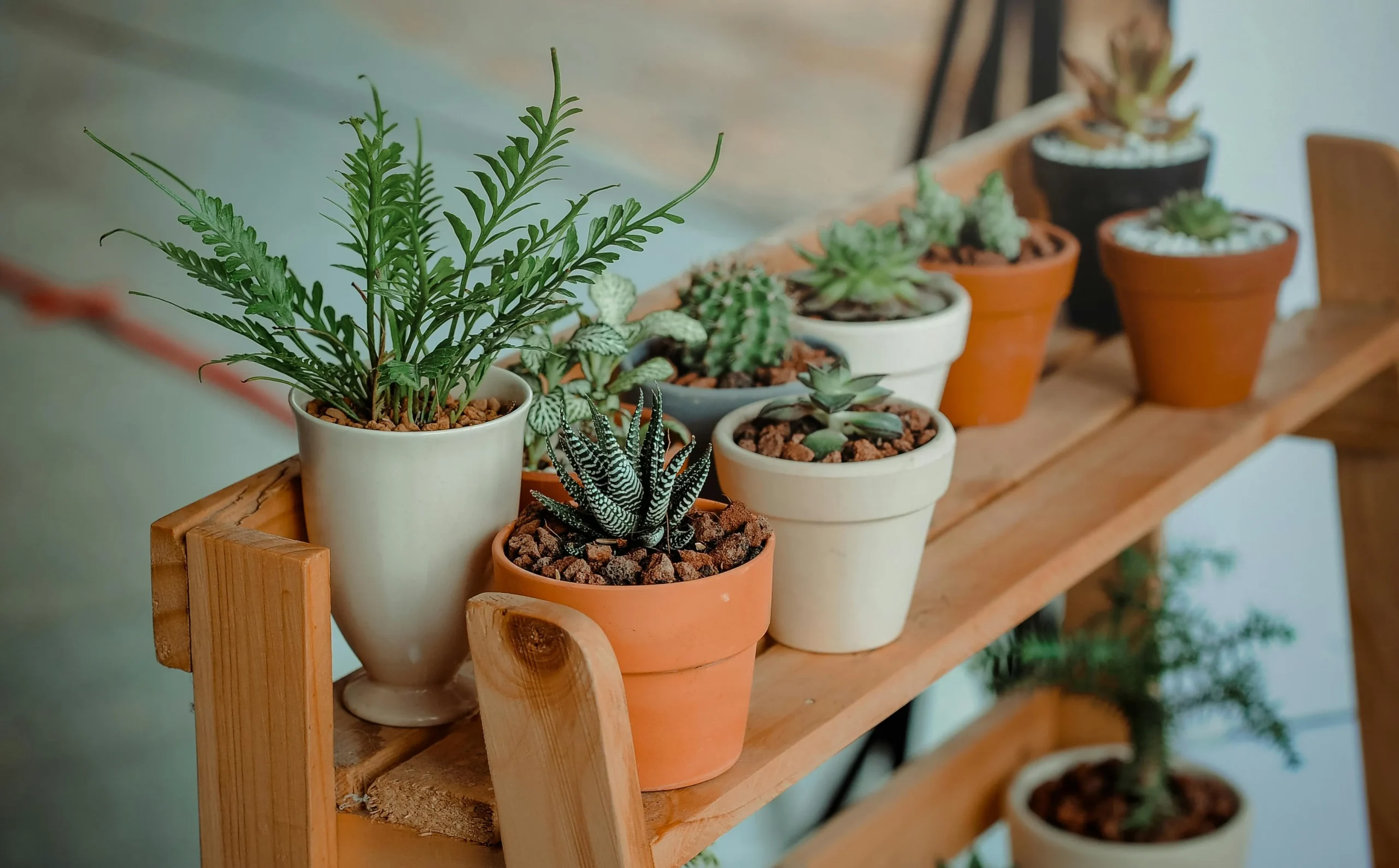
One hurdle many face with ceramic plant pots indoor styling is the lack of drainage holes in decorative “cachepots.” While these solid pots prevent water from leaking onto your hardwood floors, they can lead to root rot if not managed correctly.
Solutions for Non-Draining Pots
- The “Pot-in-Pot” Method: Keep your plant in its plastic nursery liner and place the liner inside the ceramic pot.
- The Gravel Reservoir: Add a 2-inch layer of lava rocks or leca at the bottom to create a space for excess water to sit away from the roots.
- The Watering Schedule: If your pot has no hole, reduce watering frequency by 25% to ensure the bottom layer of soil isn’t becoming a swamp.
Maintenance and Care for Ceramic Containers
To keep your ceramic plant pots indoor collection looking brand new, follow these simple maintenance steps:
Cleaning and Sanitizing
- Remove Salt Buildup: Wipe away white mineral crust with a mixture of water and white vinegar.
- Sterilization: Before moving a new plant into a used ceramic pot, wash it with mild soap to prevent the transfer of soil-borne pests.
Protecting Your Surfaces
Ceramic can be abrasive. To protect your “Good Life Spaces” furniture, always use:
- Felt pads on the bottom of the pot.
- Cork coasters to catch micro-moisture.
- Plant caddies for larger, heavier pots to make cleaning the floors easier.
Frequently Asked Questions
How to choose ceramic pots for indoor plants based on size and drainage?
When selecting ceramic plant pots indoor, the size should be determined by the “up-sizing” method (going 2 inches larger than the current pot). For drainage, always prioritize pots with pre-drilled holes. If you find a decorative pot without a hole, use it as a “cover pot” rather than planting directly into it to avoid water stagnation.
How to choose the right size ceramic pot for an indoor plant?
A ceramic pot is the “right” size if it leaves roughly 1 inch of space between the root ball and the pot wall. If the pot is too large, the excess soil will hold onto water longer than the plant can drink, leading to root rot. If it is too small, the plant will become “root-bound,” and growth will stall.
Are glazed or unglazed ceramic pots better?
Glazed ceramic plant pots indoor use are better for plants that love moisture (like Ferns or Calatheas) because the glaze traps humidity. Unglazed pots, like terracotta, are porous and better for desert plants like Cacti.
Do ceramic pots get moldy?
Rarely. If you see mold on the outside of a ceramic pot, it usually means the soil is staying too wet or there is poor air circulation in the room. Ensure your plant is getting enough indirect sunlight.
How do I move heavy ceramic pots?
For larger ceramic plant pots indoor displays, we recommend using a plant caddy with wheels. This allows you to move your plants toward the sunlight or out of the way for cleaning without straining your back.
Best ceramic plant pots for indoor succulents?
The best ceramic plant pots indoor use for succulents are unglazed or partially glazed pots with drainage holes. Succulents thrive in environments where moisture can evaporate quickly. Look for shallow, wide bowls made of breathable clay to mimic their natural arid habitat.
Where to buy stylish ceramic planters for indoor use?
You can find high-quality ceramic plant pots indoor options at:
- Local Artisans: For unique, handmade textures.
- Specialty Plant Boutiques: For trendy, designer-lead silhouettes.
- Online Retailers: Such as Etsy for custom glazes or West Elm and Anthropologie for high-end aesthetic pieces.
- Garden Centers: Often the best place for finding heavy-duty, large-scale ceramic pots.
Final Thoughts on Indoor Ceramic Styling
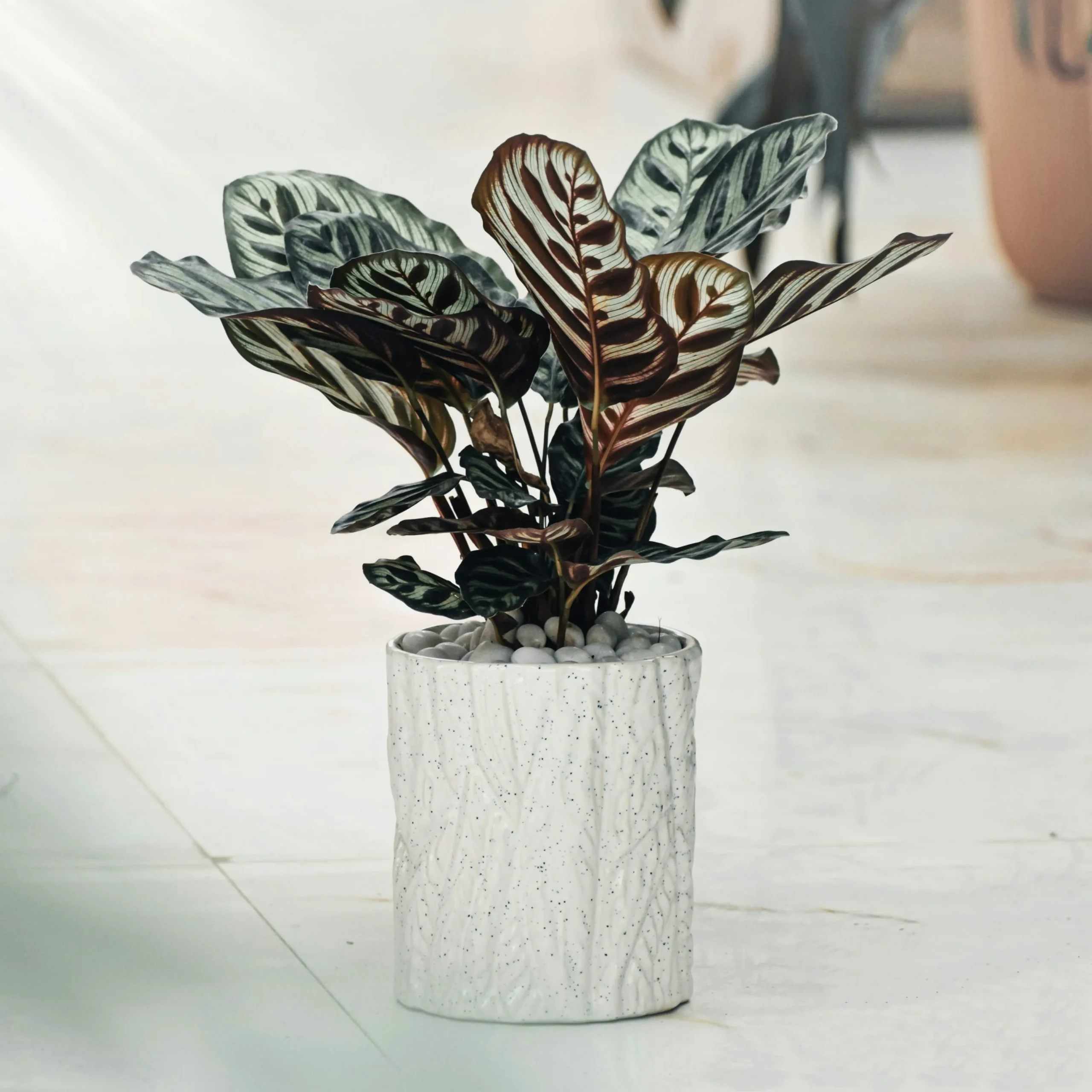
Investing in high-quality ceramic plant pots indoor use is one of the quickest ways to upgrade the “feel” of your home. They bridge the gap between nature and interior design, providing a permanent home for your plants that reflects your personal style. Whether you are a seasoned “plant parent” or just starting your first windowsill herb garden, the right ceramic pot makes all the difference.
By choosing pieces that complement your existing decor and prioritizing the drainage needs of your plants, you’ll create a vibrant, healthy indoor jungle that lasts for years.