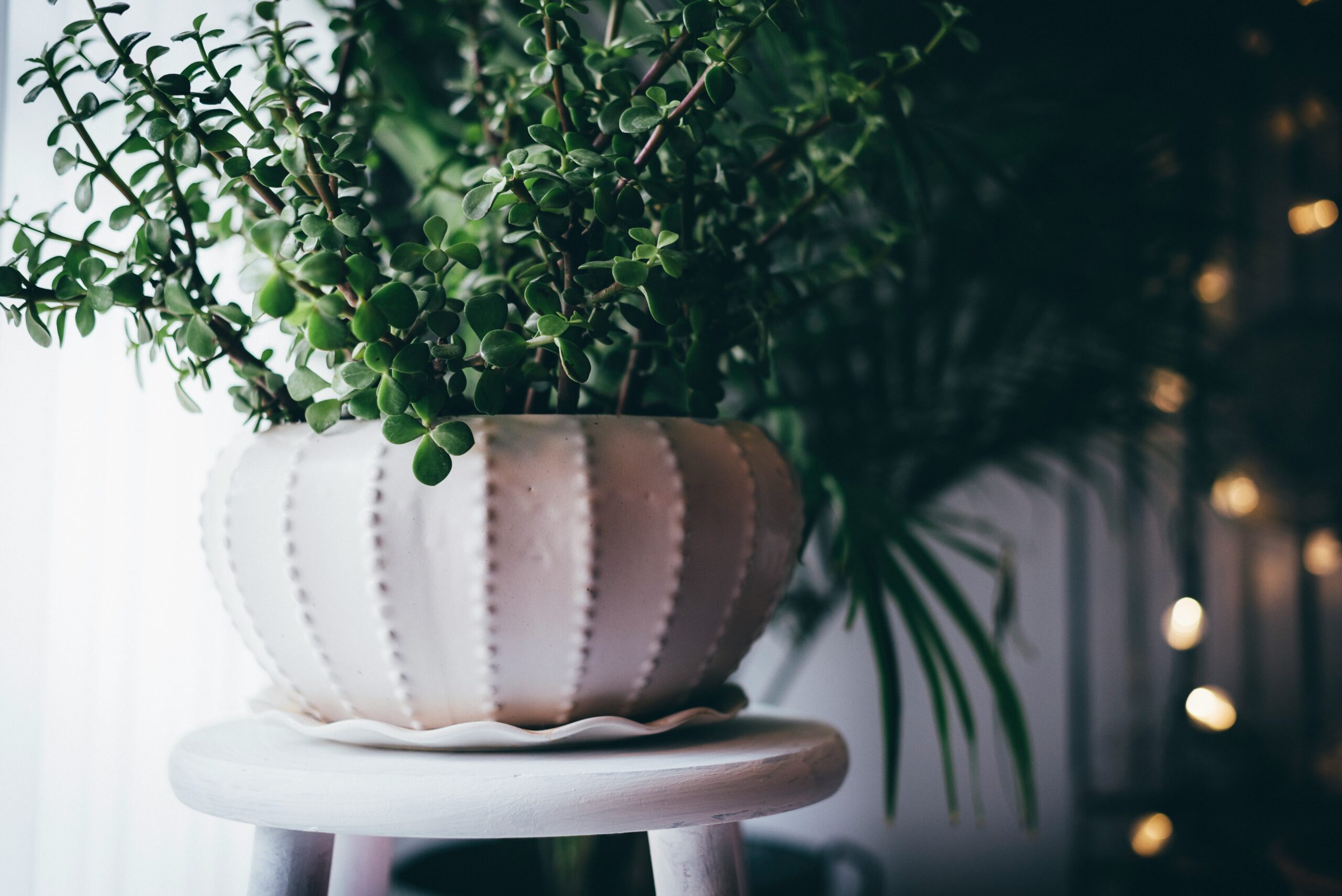
In the world of interior design and horticulture, few elements bridge the gap between function and fashion as effectively as ceramic planters. Whether you are a seasoned “plant parent” or a beginner looking to spruce up your living room, the vessel you choose is just as important as the plant itself.
At Good Life Spaces, we believe that your home should be a sanctuary. Utilizing high-quality ceramic planters is one of the most sustainable and aesthetically pleasing ways to bring the outdoors in. In this guide, we will explore everything from drainage requirements to winter care, ensuring your pottery collection lasts a lifetime.
What are the benefits of using ceramic planters for houseplants?
When comparing materials like plastic, metal, or wood, ceramic planter consistently come out on top for three primary reasons:
- Temperature Regulation: Ceramic is a thick, porous material that acts as natural insulation. This protects delicate root systems from sudden temperature spikes or drops near drafty windows.
- Physical Stability: If you are growing top-heavy plants like a Fiddle Leaf Fig or a Snake Plant, plastic pots can easily tip. The natural weight of ceramic planters provides a sturdy, weighted base.
- Root Health: Clay-based pots allow for a small amount of air and moisture exchange through the walls. This “breathability” helps prevent soil compaction and root rot.
Selecting the Right Size: Ceramic Planters for Succulents
Succulents have very specific needs, and choosing the wrong size vessel is the #1 reason they fail to thrive. When selecting ceramic planters for succulents, follow these quick rules:
- The Two-Inch Rule: Choose a pot that is approximately two inches wider in diameter than the plant’s current container.
- Depth Matters: Because succulents have shallow roots, they do not need deep pots. Shallow ceramic planters are ideal because they allow the soil to dry out faster.
- Soil Volume: A pot that is too large will hold excess soil, which retains too much moisture—the arch-enemy of a healthy succulent.
Pro Tip: Always look for ceramic planters with drainage if you are a beginner. It is much easier to manage water levels when the excess has a way to escape!
Finding Your Aesthetic: Color & Style Trends
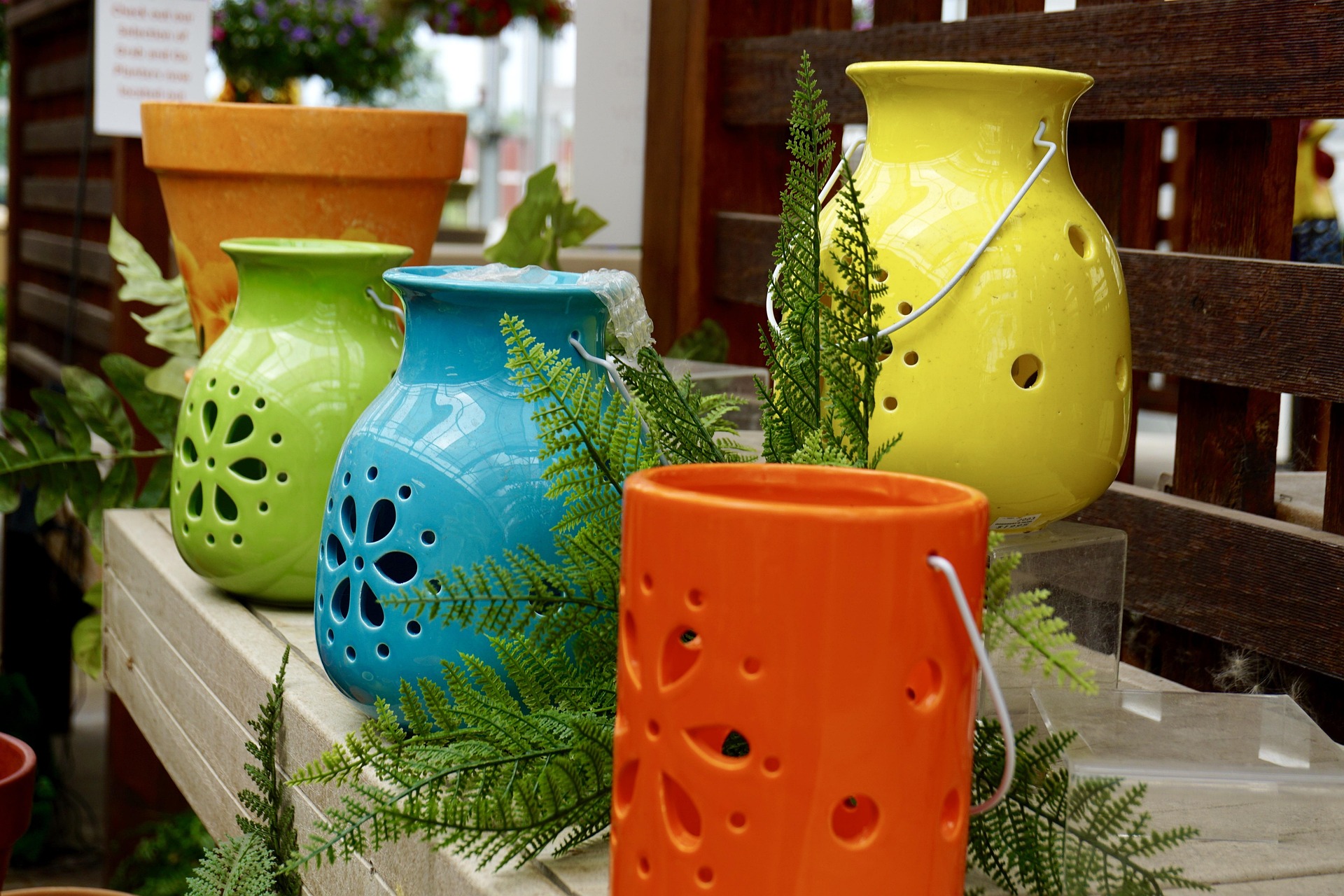
If you are looking to make a statement, large ceramic planters are the perfect design anchor for a room. Currently, the most sought-after styles include:
Top Color Palettes:
- White Ceramic Planter: A clean, minimalist look that makes green foliage pop.
- Blue and White: Perfect for a classic coastal or “Grandmillennial” vibe.
- Black & Charcoal: Adds high contrast and a modern, industrial feel.
Finish Options:
- Glazed Ceramic Planter: Shiny and protective; these hold moisture longer (Great for Ferns).
- Unglazed/Terracotta: Rustic and earthy; highly breathable (Great for Cacti).
Essential Functionality: Drainage and Saucers
While it is tempting to buy a beautiful pot regardless of its features, functionality keeps your plants alive. Planters with drainage holes allow oxygen to reach the roots and prevent “wet feet.”
If your favorite pot doesn’t have a hole:
- Use it as a “Cachepot”: Keep the plant in its plastic nursery liner and simply place it inside the decorative ceramic planters.
- Add a Saucer: Use ceramic planters with tray attachments to protect your wooden furniture from water rings and moisture damage.
Designing with Intent: Styling Your Space
Choosing the right ceramic planters is only half the battle; how you style them determines the “vibe” of your Good Life Space. Because these pots are heavy and high-quality, they serve as permanent decor anchors.
Quick Styling Tips for Modern Homes:
- The Rule of Three: Group your ceramic planters in odd numbers. Use three different heights—one tall, one medium, one short—to create a natural visual flow.
- Contrast the Texture: If you have a glossy, white-glazed pot, pair it with a rough, unglazed terracotta piece nearby to add depth.
- Elevate with Stands: Use ceramic planters with bamboo stands to lift your plants off the ground. This creates better air circulation and makes small plants appear more significant.
Pro Tip: For a minimalist look, stick to black ceramic planters or neutral tones. If you want a Mediterranean feel, mix and match vintage-style ceramic planters with blue and white glazes.
Ceramic Planters for Your Outdoor Spaces
Many people wonder: “Can ceramic planters go outside?” The answer is yes, but with a few caveats. When shopping for ceramic planters for large outdoor use, you need to look for high-fired stoneware or specific frost-resistant glazes.
The Outdoor Checklist:
- Check for Drainage: Ceramic planters with drainage are essential outdoors to prevent rainwater from drowning your roots.
- Weight Awareness: Large pots are heavy. Once filled with wet soil, they are nearly impossible to move. Position your large ceramic planters before you start the planting process.
- UV Resistance: Glazed pots won’t fade in the sun, making them better for “front porch” curb appeal than plastic pots that crack and discolor over time.
The Winter Survival Guide: Protecting Your Pottery
The most common question from our community is: “Will ceramic pots crack in winter?” In cold climates, water inside the soil expands when it freezes. Because ceramic planters are rigid, that expansion can cause the clay to snap or the glaze to flake off (called “spalling”).
Choosing the right pot is only half the battle; keeping it in top shape is the other. Check out our DIY Care Guide for Ceramic Planters to learn how to clean, paint, and winter-proof your collection.
How to “Winterize” Your Collection:
- Bring them indoors: For smaller, decorative ceramic planters, move them to a basement or garage.
- Use Pot Feet: If your large ceramic planters must stay outside, lift them off the frozen ground using “pot feet” or bricks. This prevents the drainage hole from freezing shut.
- Stop Watering: Once the first frost hits, stop watering your outdoor pots. Dry soil is less likely to expand and cause damage.
Buying Guide: Quality vs. Price
When looking for affordable ceramic planters with drainage holes, you don’t have to sacrifice style.
- Where to buy durable ceramic planters online? Look at specialized boutiques or Etsy for handmade pieces.
- Top ceramic planter brands: Brands like Peach & Pebble or The Sill are known for high-fire durability.
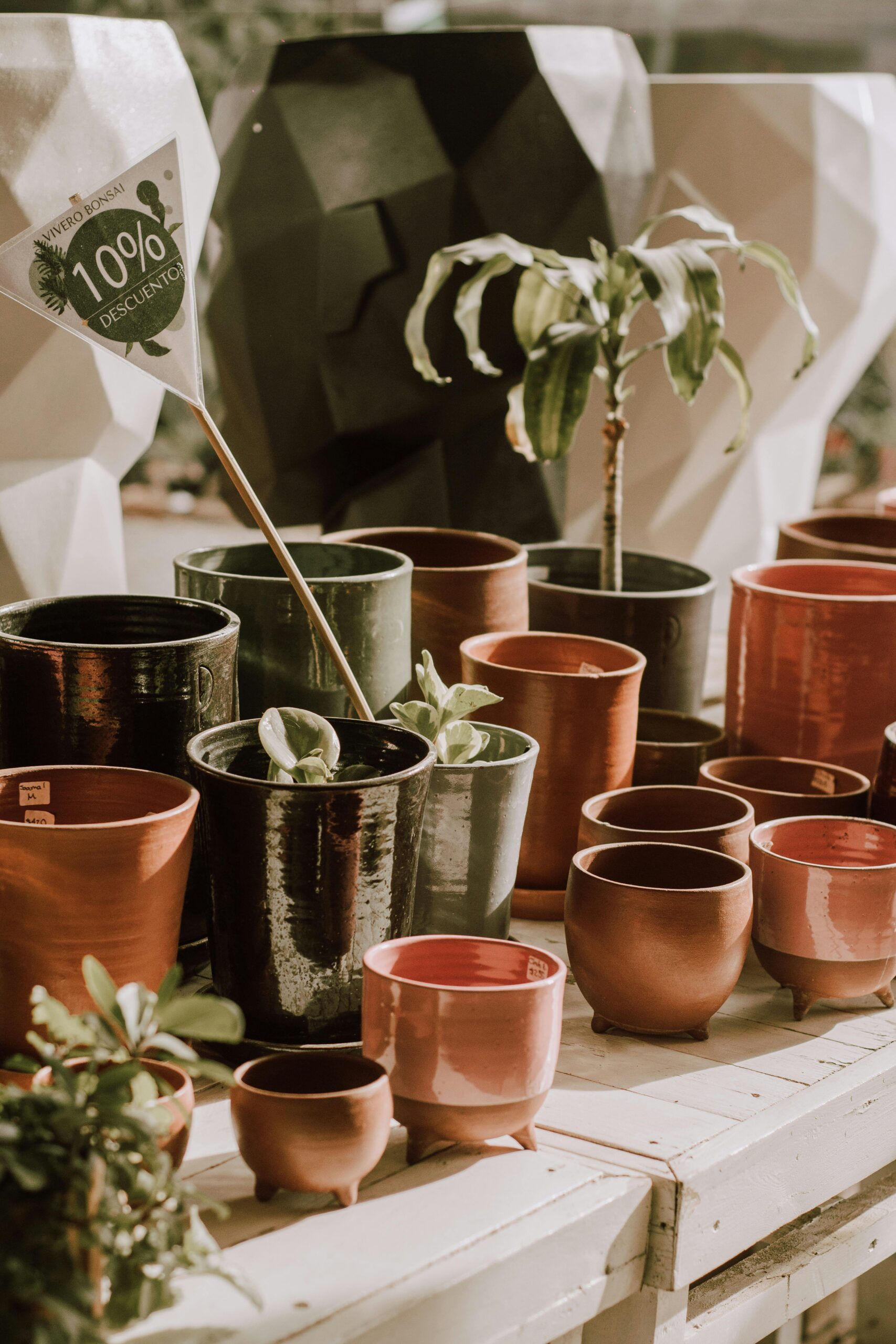
- The “Budget” Hack: Check local garden centers for “seconds”—pots with minor glaze imperfections that are sold at a massive discount.
Frequently Asked Questions (FAQ)
Are ceramic pots toxic?
Generally, no. Most modern ceramic planters use lead-free glazes. However, if you are buying vintage pottery for herbs or edible plants, it is worth testing the glaze or using a liner.
Can ceramic planters be painted?
Absolutely. Painting ceramic planters is a great DIY project. Just ensure you use a masonry-grade primer so the paint doesn’t bubble up when you water the plant.
What plants are good for ceramic pots?
Most houseplants thrive in them! However, ceramic planters for succulents are particularly effective because the clay helps wick away moisture that causes root rot.
Conclusion: The Long-Term Investment
Choosing the right vessel for your greenery is more than just a home decor decision; it is an investment in the longevity of your indoor garden. Ceramic planters offer a unique combination of durability and breathability that synthetic materials simply cannot replicate. By selecting a pot that balances aesthetic appeal with the biological needs of your plant, you are setting the stage for a thriving, vibrant home environment.
As you build your collection, remember that the best spaces are those that evolve over time. Whether you are starting small with a desktop succulent or making a bold statement with large ceramic planters in your entryway, the quality of the clay and the presence of proper drainage will always be the foundation of success.
At Good Life Spaces, our goal is to help you curate an environment that feels as good as it looks. By prioritizing well-crafted pottery and mindful plant care, you aren’t just decorating a room—you are cultivating a sanctuary that breathes life into your daily routine.s to come.
One Response